
Hi everyone, LauraKBuzz here with another of my overly lengthy and hyper specific game of the year lists.
As always, there are too many video games that released in 2025 that I want to give their moment in the spotlight this year, and as such there’s something like 24 video games on this list, the equivalent to something like two per month throughout the year.
Yes I probably could have trimmed this list down, but every game on this list is one I felt strongly about when I played it, and it’s my end of year list so nobody can stop me coming up with niche specific award categories to give every one of these their moment of acknowledgement.
That said, I need to get this video written, recorded, and edited before leaving to take my couple of weeks off work for the festive holidays. As such, I’m going to try and keep my explanation of why each game is winning its award short and snappy, so that I can get through all these awards at a good pace.
Okay, introduction done, let’s jump into this year’s awards.
Most Creative Split Screen Co-op Adventure (That Thankfully Didn’t Traumatise Us With a Plush Elephant) – Split Fiction
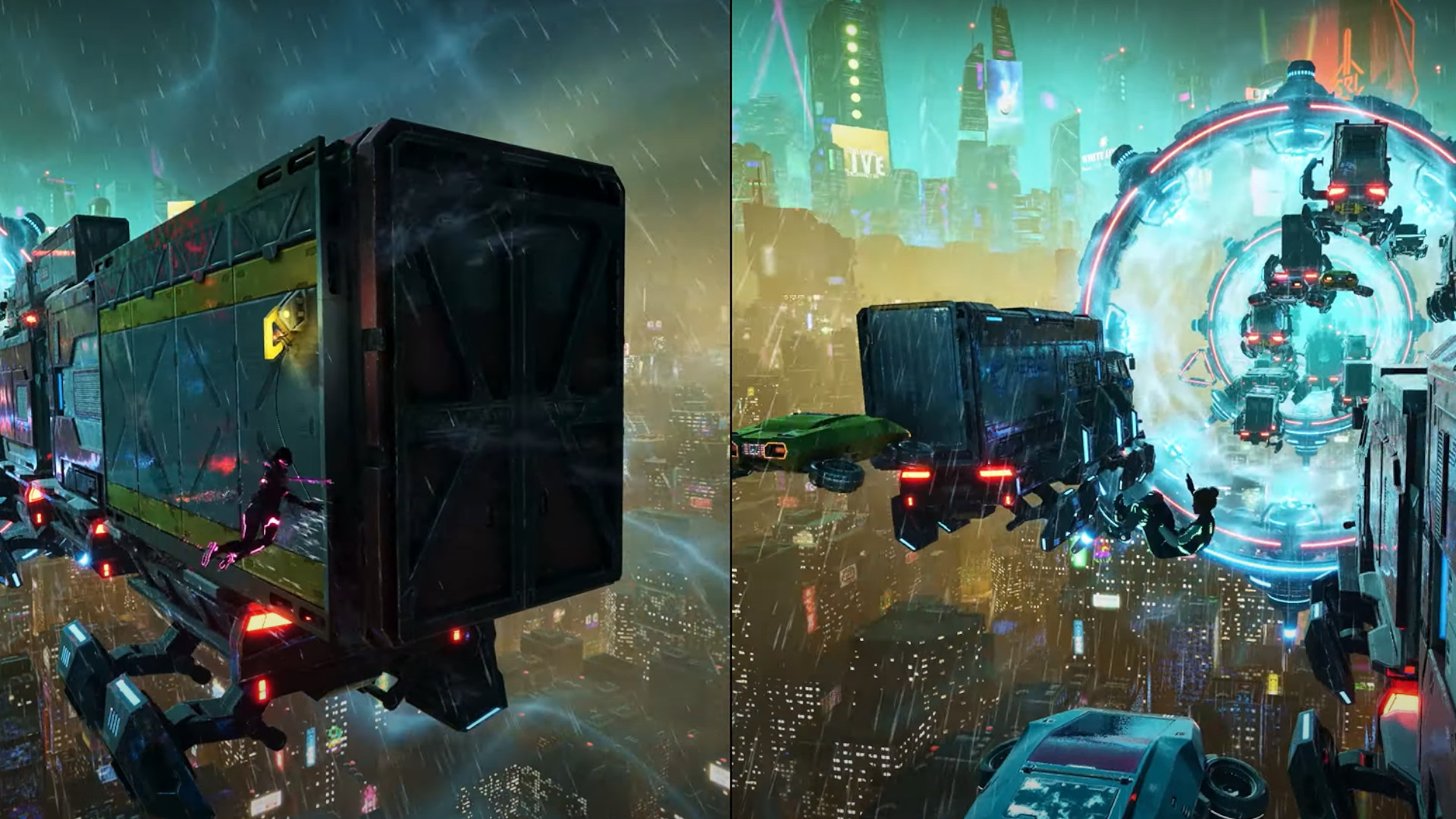
Generally, over the past few years, I’ve really enjoyed the splitscreen co-op games released by Hazelight Studios. Their last game however, It Takes Two, featured a scene involving a plush toy elephant that haunts me and my wife to this day.
Split Fiction on the other hand does not contain a scene where a plush elephant begs for its life, and is therefore a much better video game.
The writing in Split Fiction isn’t always amazing, and the overall plot definitely has some logical consistency gaps in it that you might need to overlook to have fun. What the game does however excel at is throwing the player into aesthetically and mechanically varied levels that give each player distinct but complimentary experiences.
Split Fiction is a consistently surprising and enjoyable game, with one of the most visually and mechanically impressive final acts of any video game I’ve ever played.
Most Accidently Emotionally Devastating Split screen co-op Adventure – Lego Voyagers
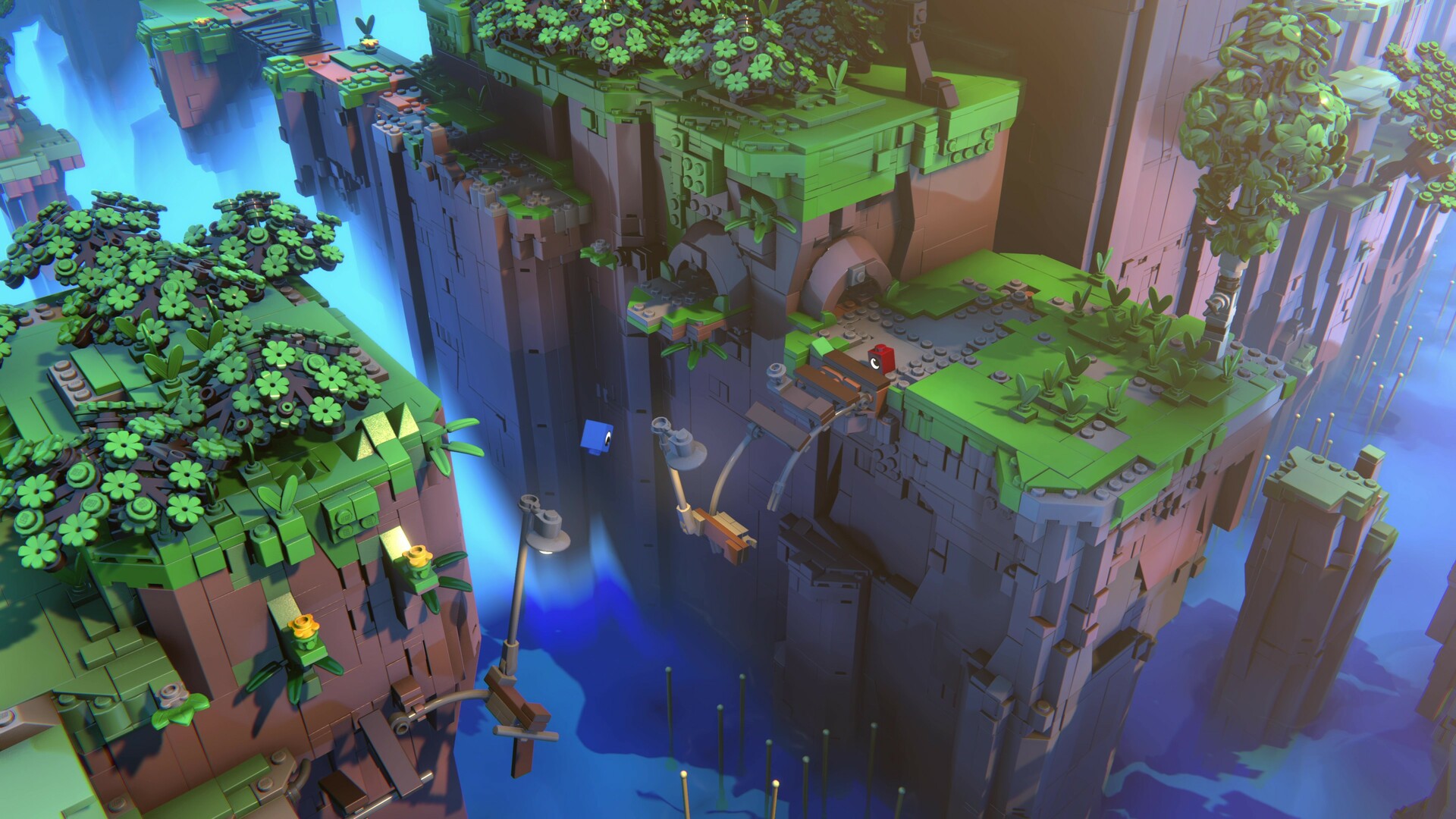
Lego Voyagers is a co-op adventure game where you and a friend play as a pair of lego pips rolling around a world, able to click onto other Lego pieces either for grid based stable movement, or to become an awkward wonky Katamari of sorts.
The game has a couple of difficulty spikes that threatened to derail our experience playing, but was ultimately a pretty emotionally devastating story told over around 4 hours.
I played this game with my wife Jane the day before I went away on a trip with some friends. Playing this game the day before I was due to go away on a trip without my wife, particularly with which of us ended up playing as each coloured pip, ended up being pretty emotionally brutal.
Not the game’s fault, it just hit on a specific day, where specific emotions were occuring.
It is a beautiful, and hope filled, and very sweet game, that we 100% played on entirely the wrong day? Maybe the best day? We played it on the day where it hit us the most it was going to hit us.
Best Roguelite of 2025 that Honestly Felt More Like a 2024 Award Winner – Hades 2
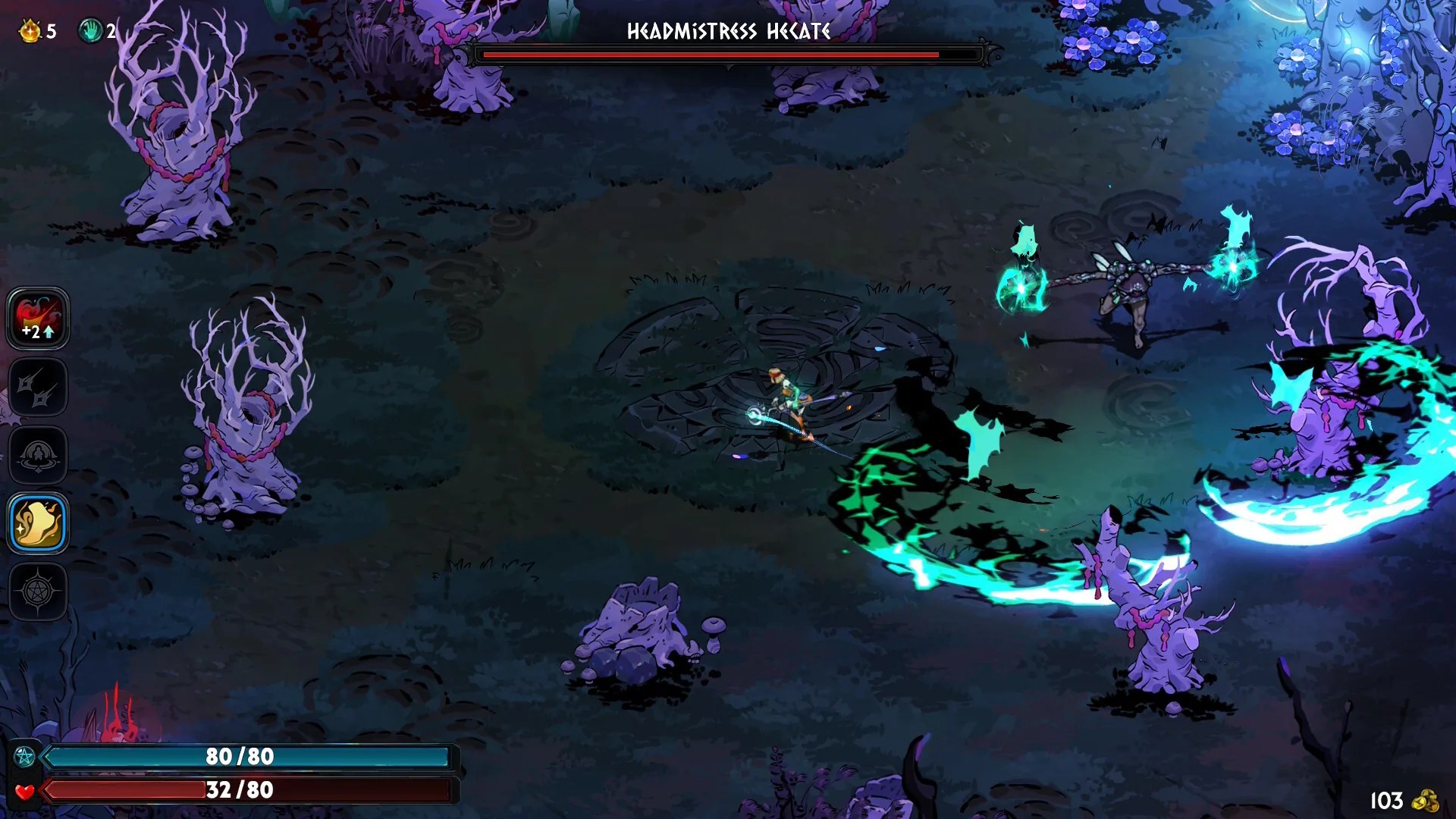
Look, Hades 2 is amazing. Yes I miss the Hangover and Dodge Deflect builds from Hades 1, but I’ve grown to appreciate the unique build options offered in the sequel. The ending that was added into the game in 2025 when it hit 1.0 is decent enough, and I’m glad to be in the post-game doing more challenge oriented content.
Hades 2 is an amazing video game, but it’s one I got most of my gameplay time with in 2024. I owe it a nod in my game of the year awards this year, but ultimately I feel like I should be giving it a 2024 Game of the Year award, just issuing that in 2025 if that makes sense.
Best Roguelite of 2024 that Released From Early Access in 2025 but That I Didn’t Overplay During Early Access, and as Such Still Felt New in 2025 – Deep Rock Galactic: Survivors
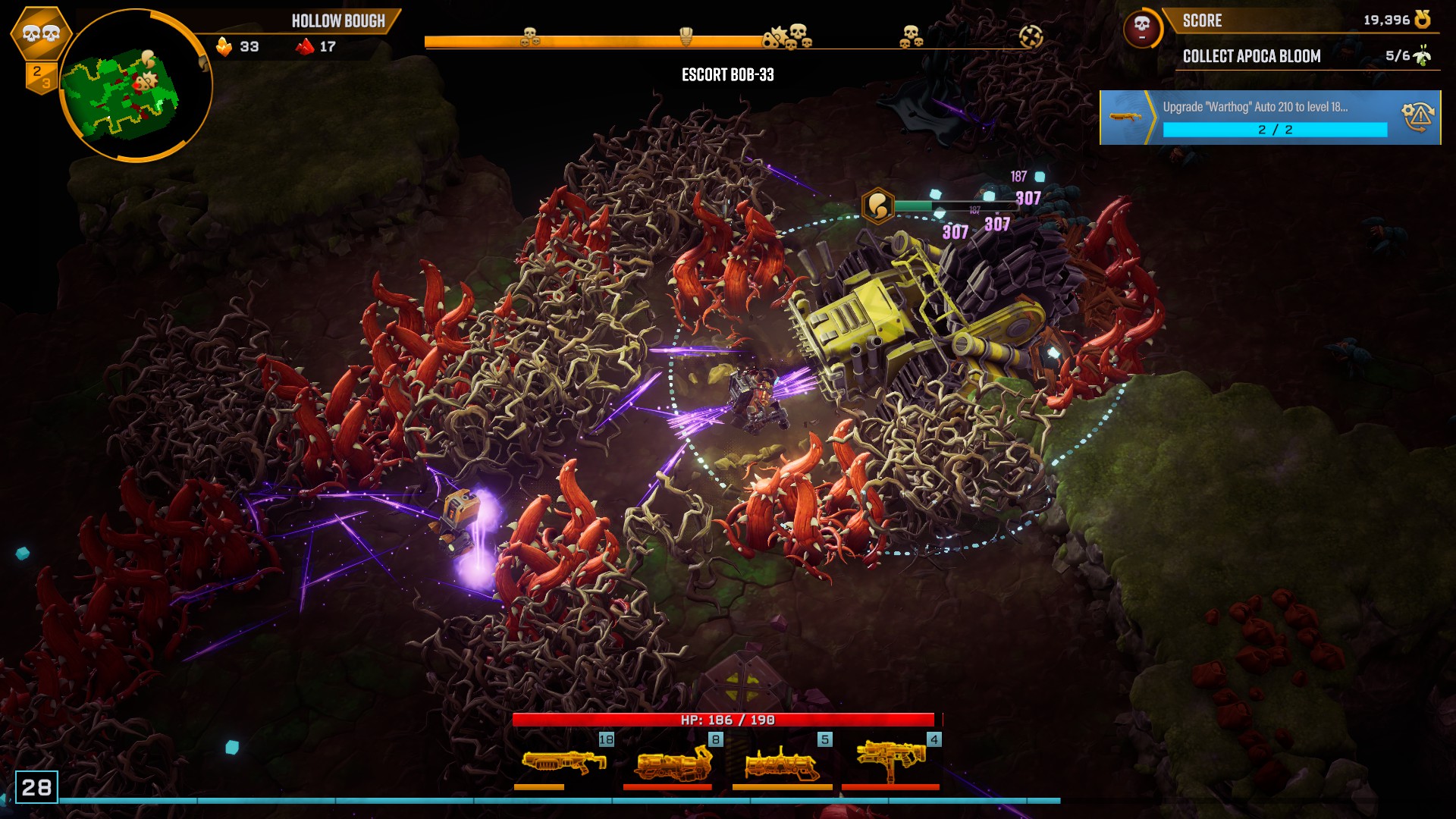
Deep Rock Galactic Survivors is a Vampire Survivors style Roguelite where you pick your character and weapon loadout, attacks fire from your character automatically in set directions, and you attempt to survive waves of incoming enemies for a specific length of time.
While this also came out in early access in 2024 like Hades 2, I didn’t overplay this one in early access, and largely waited for its 1.0 release to get super stuck into it. The variety of upgrades available feel really rewarding, the focus on needing to actively defeat bosses to be able to progress makes it feel distinct, and the visual design aesthetic really helped to set it aside from its competition.
Best Roguelite of 2025 That Was First Playable in 2025 – Ball X Pit

If we’re focusing on Roguelites actually released in 2025, not ones that were in some way playable in 2024, then my favourite game released in the genre this year was Ball X Pit.
(Okay, if we’re counting demos then Raccoin would be in serious contention for this award, but I’m going to save Raccoin to talk about in 2026, I think).
A roguelite where your character fires balls that bounce around the screen to hit enemies, with weapons and upgrades that can be combined to create stronger combo weapons, Ball X Pit, or Ball Pit I think I’m supposed to be saying it as, is a pure dopamine factory, filled with some of the most creative character abilities to unlock seen anywhere in the genre.
By the time it’s over Ball Pit… Ball X Pit… feels almost more like a deconstruction and critique of the conventions of its own genre than a standard entry within it, and that really is worth some praise.
Best “Short” Video Game of the Year – This Game Will End in 205 Clicks

In terms of 2025 video games that are not only short, but make narratively strong use of their short gameplay length, This Game Will End in 205 Clicks really made a strong impression on me this year.
A visual novel style experience, This Game explores the experiences of a side character villain in a magical girl series becoming self aware about the impending ending of the narrative they’re trapped within. It’s short, snappy, and feels inherently inseparable from its short gameplay length.
It’s completely free and well worth taking the time to experience.
Best Playable Explanation of Accessibility – An Unplayable Game

Another short and free video game, An Unplayable Game is a 15 minute long (or 45 minutes long if you played the Director’s Commentary) exploration of what it means for a game to support accessibility settings.
While not a 1:1 direct recreation of a specific disabled player’s experiences, this game does an amazing job of conveying how even a seemingly simple video game genre, such as a 2 button and D-Pad controlled side scrolling platformer, might be literally unplayable for some disabled players, no matter how much they try to “git gud”, and portraying how accessibility settings can make such an experience playable, without making play necessarily “easy”.
In terms of experiences that show in practical terms that accessibility settings are not analogous to “easy modes”, I can’t say enough positive praise about An Unplayable Game.
Best and Kind of Worst Accessibility Representation – To a T

There are so many things that I love about To a T, the narrative adventure game about a teenager whose arms are stuck out in a permanent T pose position, as an alagory for disability. Created by the original Katamari Damacy creator in collaboration with Able Gamers, I think a lot of what To a T has to say about disabled life is really poignant and beautiful.
From the game’s portrayals of a life able to be lived somewhat independently through the use of accessibility tools and adapted household features, to the game’s willingness to acknowledge issues such as the importance of dignity around independent bathroom use, a lot of the time To a T is a really beautiful story in terms of showing normalised life with a physical disability.
Like, at one point the main character loses their support animal and goes out looking for them in the rain, without getting changed from their pajamas into their daytime clothes. It’s subtle, but it points out that this teenager is hesitant to accept help from their mum to get changed into different clothes, fearing the loss of independence that would represent. A task that their support animal used to assist them with now feels like a backstep if they have to accept parental help.
The issue with the game? It gets a bit “Rudolph the Red Nosed Reindeer” in places. The main character’s disability becomes a very literal superpower, their disability superpower being useful to others is what stops them from being the target of future bullying, I don’t love some of the lessons that this game sort of leans into.
That said, the narrative thread about Teen’s parental lineage is absolutely bonkers, and I kind of love it.
This is not a perfect game by any means, it’s one tthat I give a lot of caveats if I’m going to reccomend to someone, but it is a game that I think got some things right tthat are worth praising.
Disability Representation That I Have To Praise With a Caveat – Date Everything
So, I’ll get this out of the way, I’m friends with Stephanie Sterling, we’ve co-hosted a podcast together for more than a decade, we’re pretty close friends.
But also, Steph wrote one of my favourite bits of disability representation in video games this year.
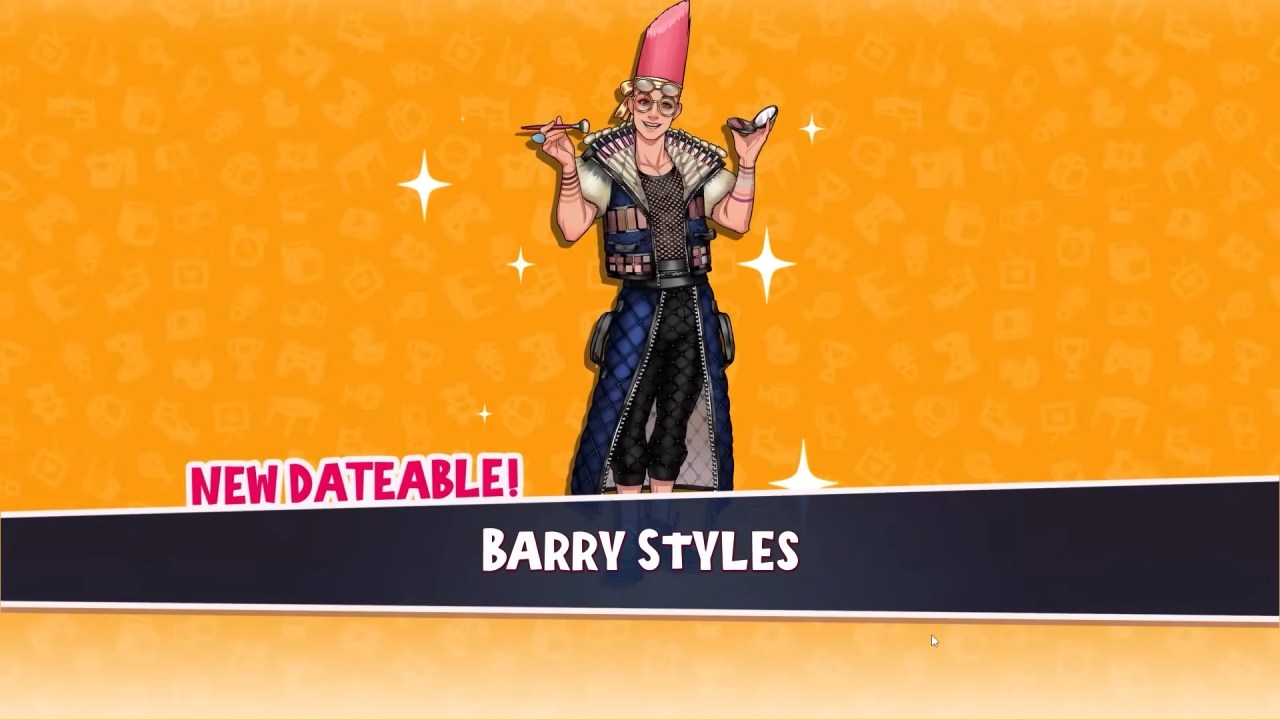
Date Everything is a dating sim where, via a pair of magical glasses, inanimate objects around a home are able to become anthropomorphic datable characters. One of these is Barry Styles, the makeup on the counter in the ensuite bathroom upstairs in the home.
Barry’s storyline is a really beautifully written take on the role of executive dysfunction and memory issues when living with ADHD, shown in a really sympathetic and beautifully vulnerable light.
There are other really nice examples of disability representation this year in video games, there’s other really good examples in Date Everything as well, but I want to give particular praise to this character, with the caveat that I am obviously biased toward my friend’s work.
Game That I Most Think More People Need to Check Out – Despelote
At just over two hours long, Despelote is one of those games I don’t want to say too much about, I just want to urge people with similar taste to me in video games to check it out.
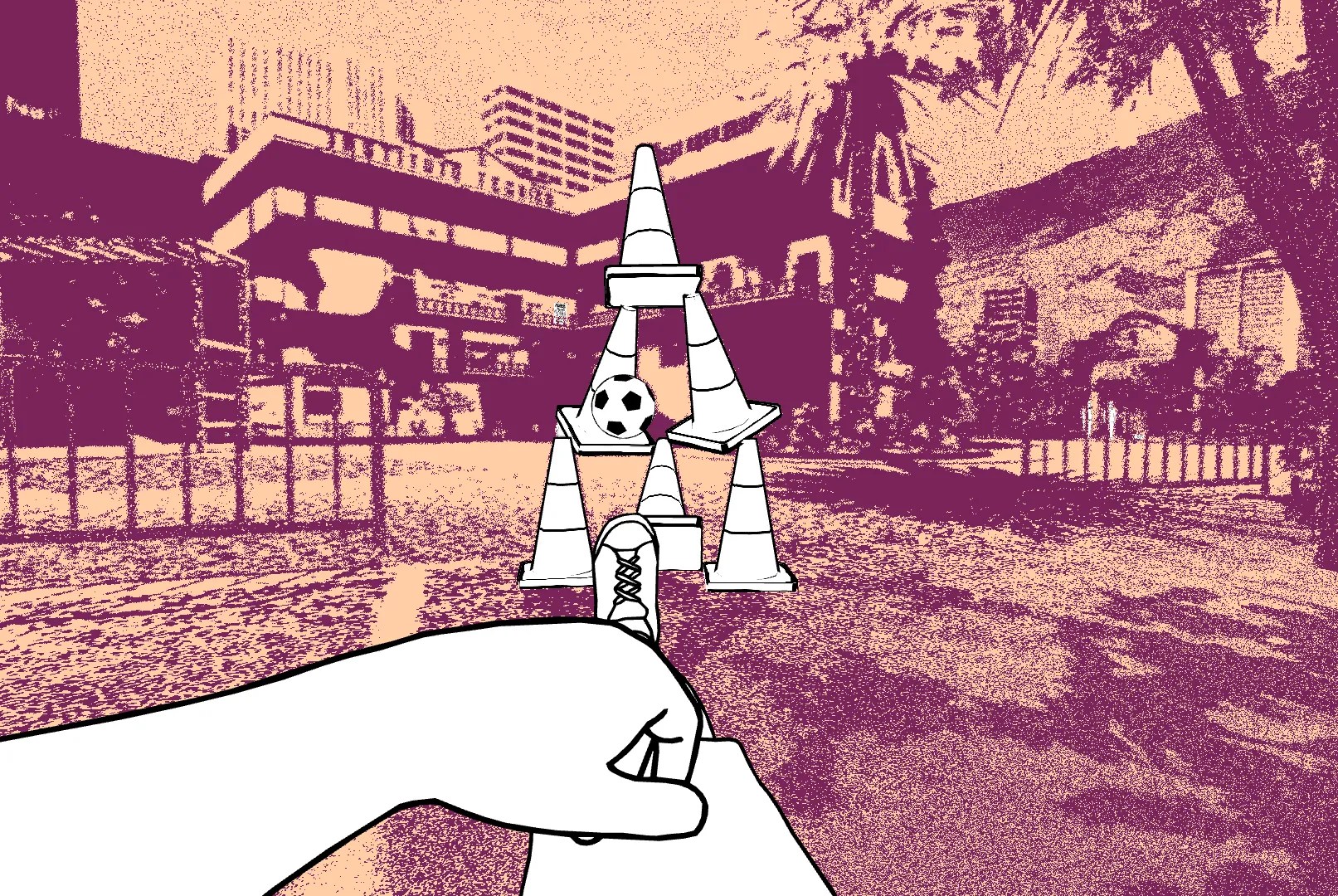
Set in Ecuador in 2001, Despelote is a game about football ( or I guess soccer some people would call it) and the role it had in people’s lives in a particular place and time.
Its art style beautifully meshes 2D cutout characters with Return of the Obra Din style dot matrix 3D environments to superb effect.
The game is a fascinating window into a place and time very unfamiliar to me, and it’s one of those games that I genuinely believe more people need to take the time to explore. It’s fascinating, and I don’t want to give too much about it away.
Best Game Let Down by its Sequel Teasing Ending – Lost Records: Bloom and Rage
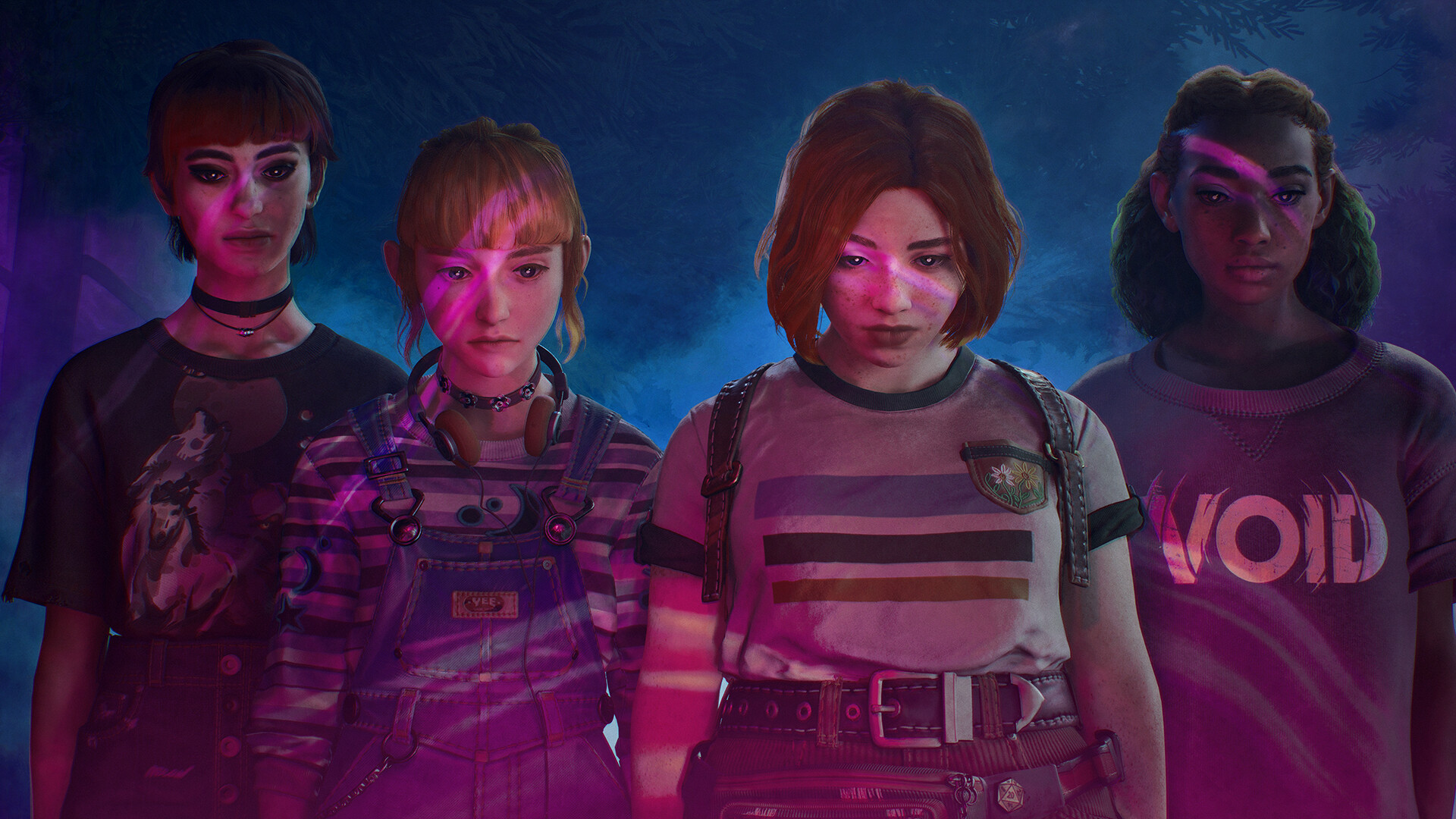
Lost Records: Bloom and Rage is for 99% of its runtime one of my favourite games this year. A beautiful exploration of queer feminine 90’s self discovery, the game beautifully captures what it’s like to be young and discovering yourself, with just enough adult distance and perspective to recognise some of your own fumbles and missteps that you took along the road.
The video camera mechanic, encouraging the player to capture their own shaky and low quality video clips of significant moments, then watching those clips back in compilations reminiscing over aspects of childhood, really brought a very human touch to the adventure that helped cement all of the important moments of the story together.
The game’s slow creeping introduction of supernatural elements is incredibly effective, and the ways it’s used to bring the core cast of characters together, while pushing at their seams, is really engaging.
I do wish this game had been more confident in ending on a more conclusive note, and less interested in setting up a sequel that may or may not come to pass. Right now it feels like I had a great time with act 1 of a story, rather than a complete story of its own. That’s really the only thing that held it back from being higher on my end of the year honours list. For 99% of its runtime it was exactly 100% lining up with my taste in games. Sometimes I just want a thing to feel like it has an ending of its own, you know?
Game that Most Called Out my Chronic Overworking – Wanderstop

Wanderstop is a game about a warrior who, while striving to be the greatest of all time, loses a single fight then spirals into burnout trying to push back up to the top of their game, feeling like they’re worthless if they’re only “good” or “great” but not perfect at something, and then spiralling even further when working endlessly without pause doesn’t magically fix things.
I wonder why I, a writer with a history of chronically overworking myself because I tied up too much of my sense of self into my own productivity and career success, might have found this game relatable?
Wanderstop is a game that explores what it means to hit a wall in burnout, where the only way to recover is to take a break, do something completely different for a while, and come back once you’ve truly had space to actually recover and get some distance from the task that destroyed you.
In more practical terms, it’s a game about farming and brewing specific forms of tea for visiting guests.
Wanderstop really got to the core of something I’ve personally struggled with emotionally in the past, and made me feel really seen in terms of a struggle that many creatives experience, but rarely speak openly about.
Wanderstop called me out, and I appreciate it doing that.
Best Game That I Have to Admit I Wasn’t Smart Enough For – Blue Prince
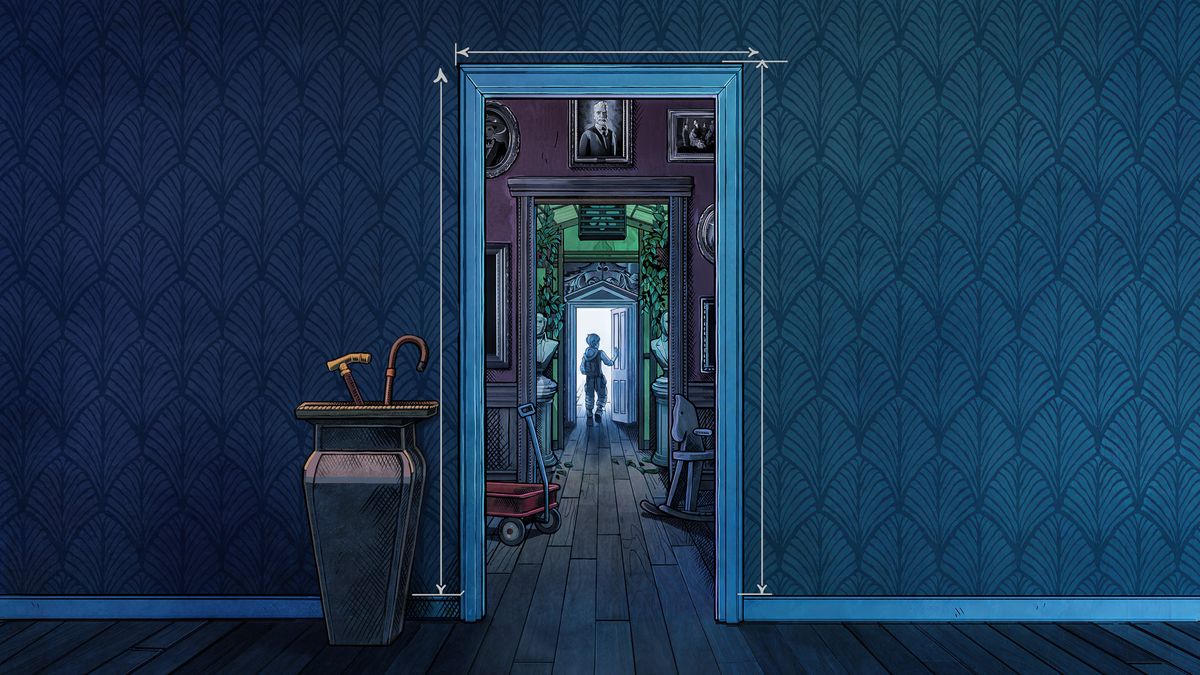
Blue Prince is a game where you explore a large manor house with an ever shifting layout, solving puzzles by correctly laying out rooms to navigate via randomly dealt out cards that expand or limit your traversal options during each run.
When I’m doing well at it Blue Prince feels like a revelation, a true marvel of video game environmental puzzle layout design. Certain puzzles, once you sort of click them in your head, make innocuous objects seen throughout the game take on entirely new meanings and allow for fascinating new understanding of the world around you.
But, I will admit, I never completed Blue Prince. If it ever comes to a handheld console like the Switch 2 I’ll probably pick it back up, but as a dedicated home console title that I needed to play focused at my TV I eventually hit a wall and stopped making progress.
I had an amazing time with Blue Prince, but I realised at a certain point I needed to walk away and come back to it some other time down the line.
I just don’t have the head for it where I’m at in my life right now. I can see it’s amazing, I loved what I played… I reached my limit with it.
Best Mindless Collectathon – Donkey Kong: Bananza
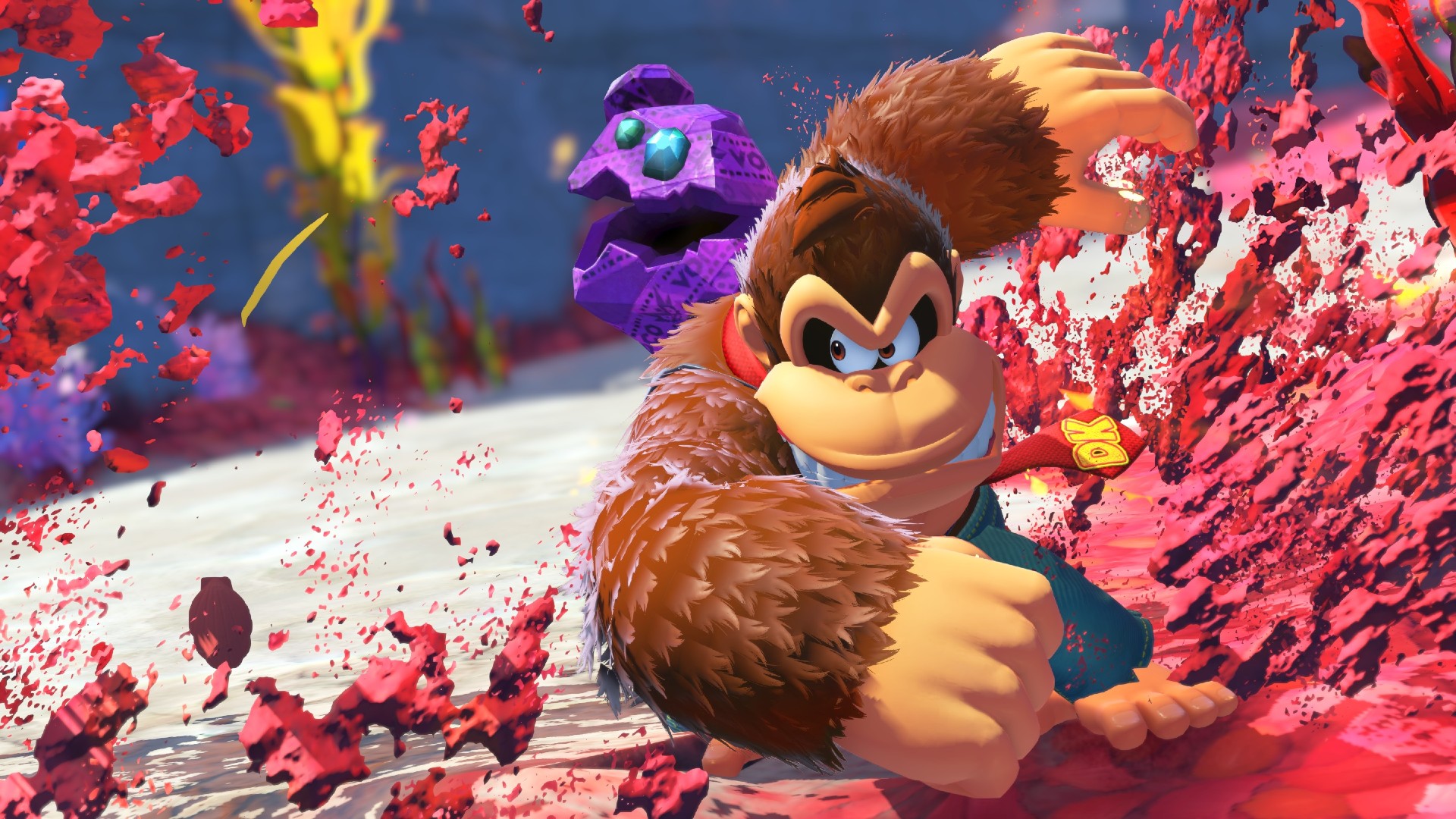
Sometimes I don’t want a video game to be particularly world changing or mentally stimulating. Sometimes I just want to punch walls, see gold particles fly all over the screen, punch a crystal, and hear a monkey shout “OOOOHHHH, BANANA!”
Donkey Kong: Bananza is one of those rare collectathon platformers where I spent tens of hours after beating the story continuing to perfectionistly collect things, purely for the thrill of completionism. It’s just such a satisfying game in terms of its visuals and tactility.
The movement system is really rewarding, the upgraded transformations feel really powerful, the tools for completionism in the post game are easy to engage with, and the post game challenge levels are really nicely designed.
But at the end of the day, I just like punching stuff, and then going OHHHH, BANANA!
OH, Banana!
OH BANANA!!!! hehe
Best Game Where I Disabled a Wide Range of Gameplay Elements – Abiotic Factor
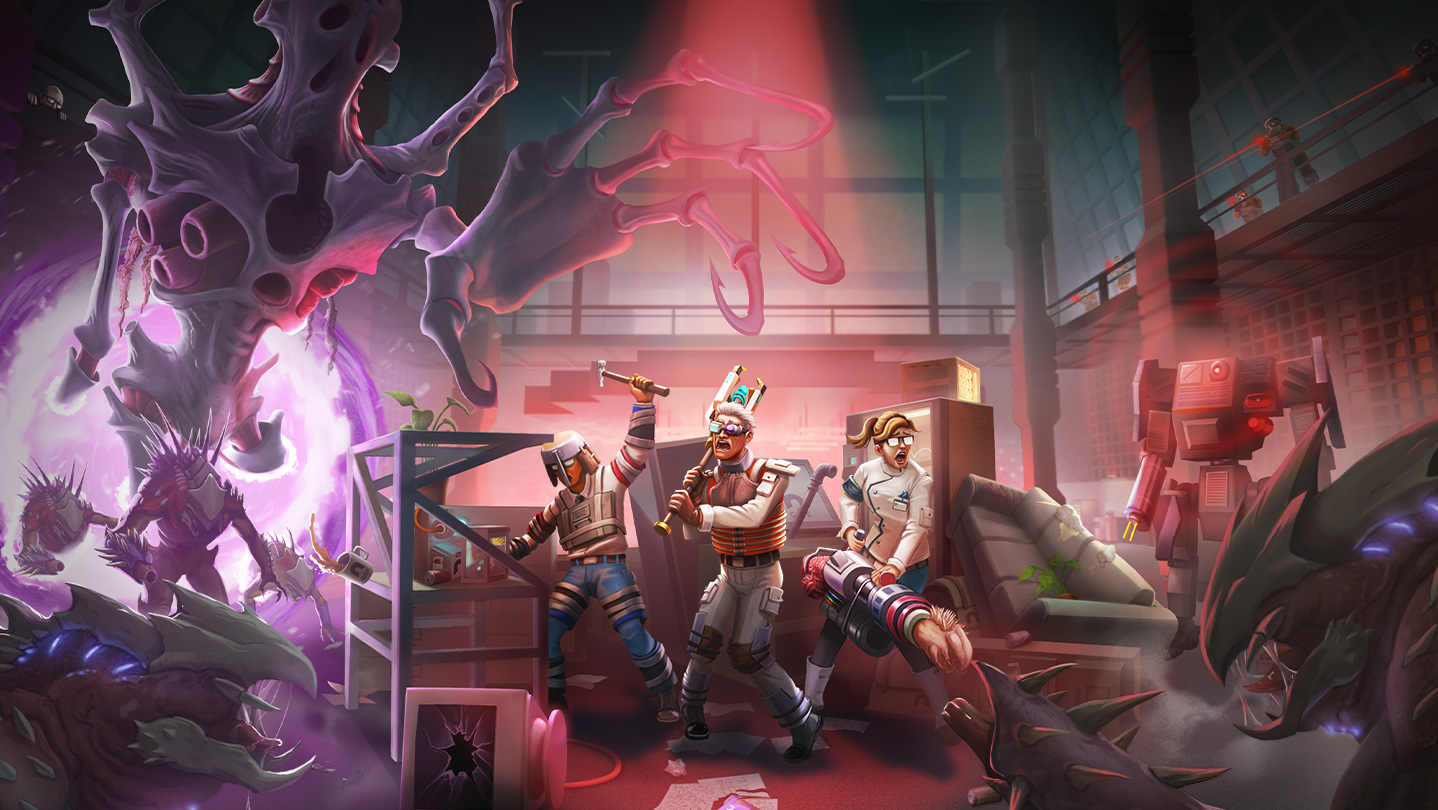
Played intermittently throughout early access release and into 1.0, Abiotic Factor is a survival crafting game set in a scientific facility put into lockdown, where the player needs to create gear that will help them to explore further through the facility, survive encounters with interdimensional monsters, and attempt to eventually find a way to escape back to the surface world above.
I really enjoyed playing through this as a co-op adventure this year with my wife Jane, but interestingly I had most fun with it when disabling a number of the game’s core mechanics. Abiotic Factor allows players to disable a number of core mechanics to improve the game’s accessibility, ranging from not dropping your items on death and needing to go recover them, to reducing the rate at which your body’s physical needs must be tended to.
Abiotic Factor with its core settings was an enjoyable time with caveats. Once we made a number of changes to smooth out the experience, we had a fantastic time with the game.
Abiotic Factor is my favourite game this year that I chose not to play the way that the developers originally intended.
Best “Non Violent Male Grief” Simulator – Death Stranding 2
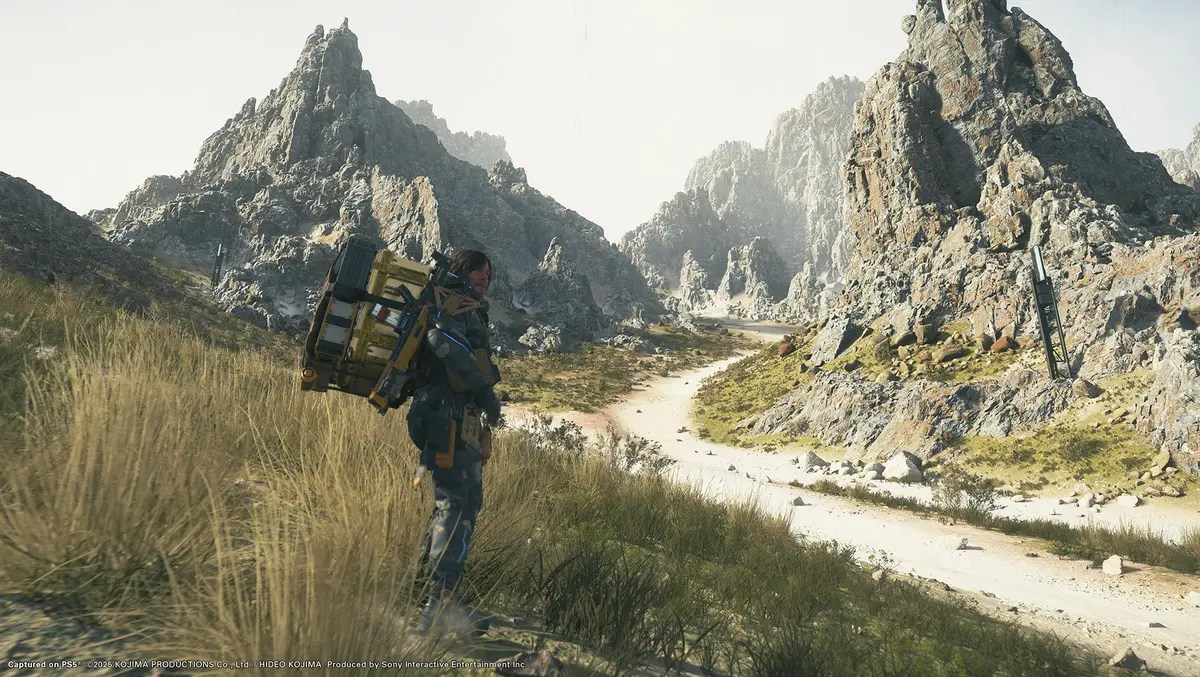
I’ll be honest, when Death Stranding 1 released back in late 2019, it didn’t 100% grab me. Sure, its story of making connections between people isolated from each other in a world where going outside was risky had a particular significance and relevance in early 2020, but the game had enough little issues that it struggled to stick with me emotionally in the long term.
Death Stranding 2 by comparison really blew me away.
Narratively, Death Stranding 2 is a beautiful and haunting exploration of non violent male grief and parental loss, experienced at disabling levels. In stark contrast to so many video game narratives about grief used as justification for rash, unconsidered, violent outbursts of revenge, Death Stranding 2 explores the ways that grief haunts us if not addressed, and the ways that some might use grief to manipulate actions at our lowest points.
The narrative works really well with the gameplay – the game’s lengthy walks and drives in mostly silence give players plenty of time to sit with their feelings and mull things over, emphasising the lonely and isolated nature of the emotional journey being undertaken.
And yeah, it can’t help occasionally looking at the camera and pointing out a character’s totally unsubtle name and its meaning, but on the whole this is one of Hideo Kojima’s more restrained narratives, trusting the audience more than usual to sit and work things out themselves rather than having meaning hammered home to them ad nauseum.
Mechanically, I really enjoyed Death Stranding 2 as an autistic repetitive completionism simulator, spending countless hours trekking back and forth trying to build a 100% perfect road and tram network. Long after completing the story I found myself trekking materials back and forth across Australia adding to my road network not because I needed to but because the task itself was methodical in a way I found very calming.
I genuinely didn’t expect to be this into Death Stranding 2, but here we are. I loved it.
Best “Blinded by Violent Grief” Simulator – Ghost of Yotei
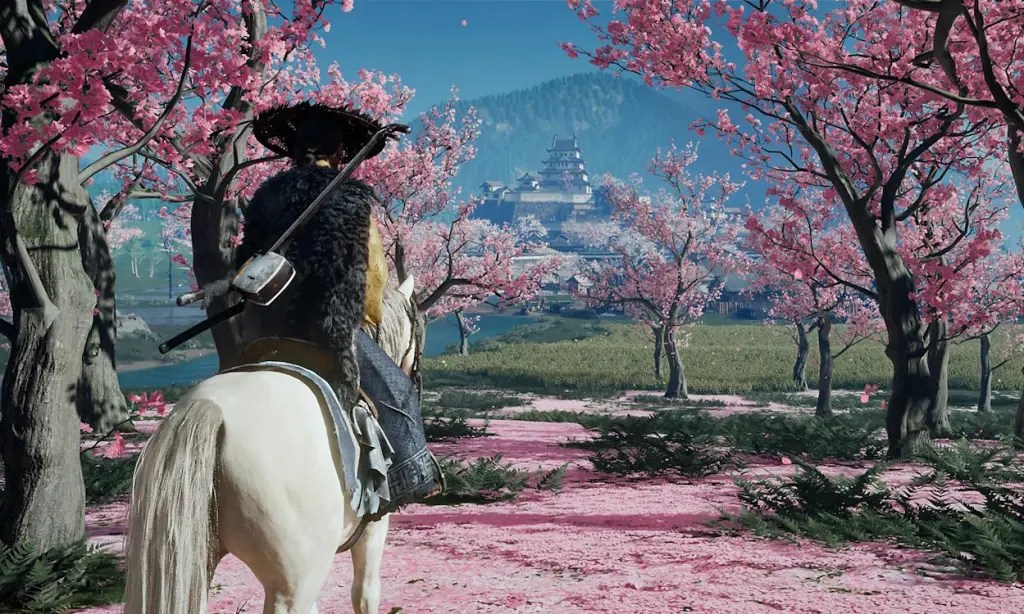
On the opposite end of the scale, Ghost of Yotei is a brilliant exploration of what can go wrong when someone allows themselves to be blinded by violent grief, and how many red flags or bumps in the road might be needed to get someone drenched in vengeance to reconsider aspects of the path upon which they have set themselves.
A wonderfully mechanically accessible adventure, Ghost of Yotei is really fun to play, and features a character having genuine trouble picturing who they might be if they let go of the quest that has defined their adult life.
Best Game That Needs You to Believe in Prisoner Reform to Get a Good Ending – Dispatch
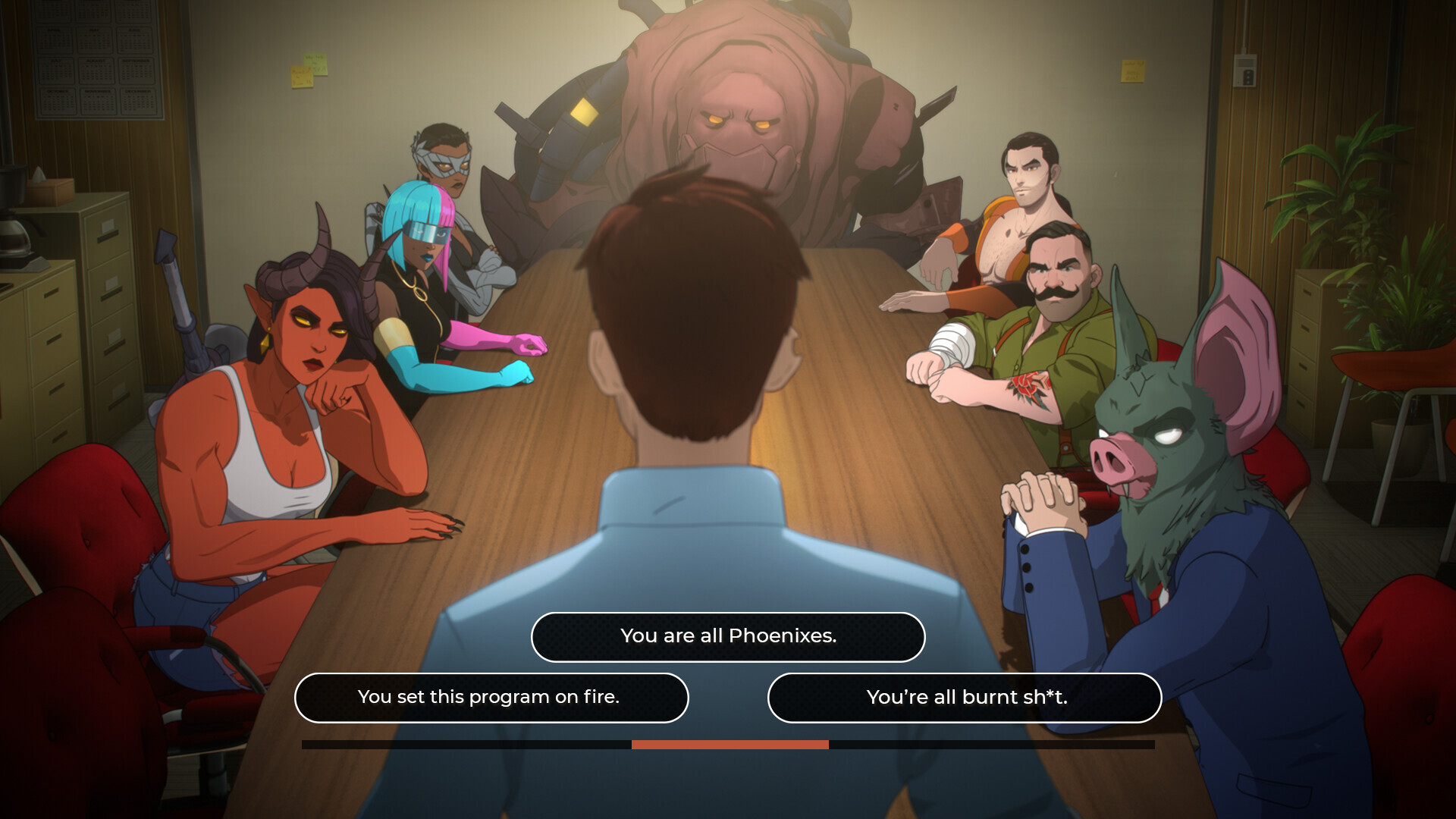
I’m always hesitant to put games that released too recently on my game of the year list, as I tend to find that I need a little bit of time and distance to know how my opinion of a game is going to hold up, but I feel like I’ve just about had enough time since Dispatch’s final episodes released to know where my feelings on the game ultimately settle.
Made by a number of the team behind the original Telltale adventure games, Dispatch is part choose your own adventure game, part hero dispatching management simulator. You play as Robert Robertson, pilot of the Iron Man style crime fighting mech suit Mecha Man. With your suit destroyed in a fight against villains, and lacking the funds to repair it yourself, you get recruited to work as a dispatcher for a for profit insurance model superhero dispatch centre in exchange for them repairing your suit.
The characters you interact with, largely a group of former supervillains reformed and attempting to be heroes, are really funny in their writing. They’re wonderfully humanised, with a great deal of personality present both in cutscenes and their voiced dialogue lines when out in the field.
What perhaps surprised me most was how much I enjoyed the dispatching gameplay. Missions come in with vague descriptions, and you have to assess which hero skills the mission description is likely trying to ask for, sending the appropriate available heroes to have the best possible chance of success.
I would 100% play a spinoff title that was just more of the dispatching gameplay levels, particularly if available on a portable system like the Switch 2.
As someone personally invested in ideas of prison reform, prison abolition, and rehabilitative justice opportunities being offered in earnest to former criminals, I feel like Dispatch does a really good job of testing players willingness to offer the same leniency and grace for mistakes to people presumed evil as we might offer to those we’ve chosen to label as inherently good.
Best RPG That’s Not Finished and is Really Hard to Evaluate Right Now – Deltarune Chapters 3-4
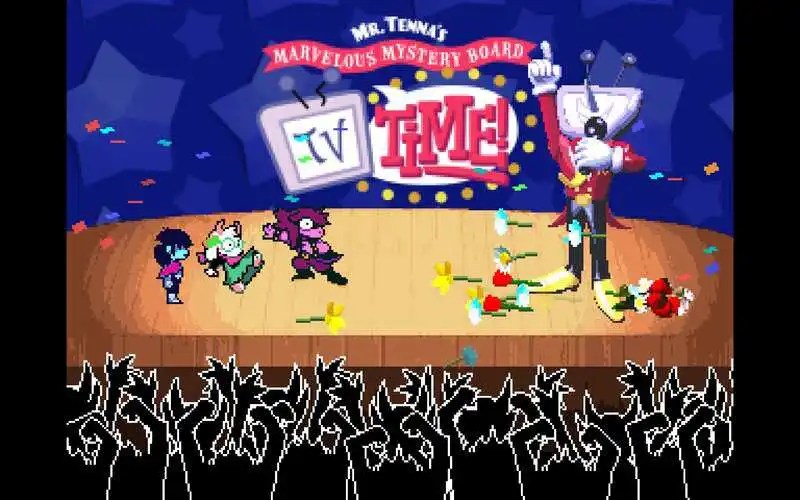
Look, I loved Deltarune Chapters 3-4, they were fantastic, but this game is barely 50% complete, with chapters 5-7 still probably years down the line from now. I had an amazing time playing through this content, but there’s no way I can know if this will stick the landing until it finishes releasing.
So yeah, this was amazing, but like, with a big asterisk that’s going to be floating here for a couple of years.
Probably Objectively The Best Video Game I Played in 2025 – Clair Obscur: Expedition 33

So, if I were to put aside my personal preferences and try to identify the objectively BEST video game that I played in 2025, it would probably be Clair Obscur: Expedition 33.
The game’s story was incredibly moving and well acted, the soundtrack to the game was unlike any other game in its genre, the combat system’s focus on blocking and parrying kept fights constantly tense, and the game looked consistently visually stunning.
Perhaps my favourite thing about Expedition 33 was how, from around the half way mark, the game allowed players to create character builds that absolutely broke the intended balance of the core narrative’s boss fights. I for example played much of the latter half of the game with a single character in my party running on a single HP at the start of battles to get a series of bonuses for being alone and near death, then with a bunch of stacked extra turn enablers, and a series of strategic debuffs that also gave me bonuses, and I was sweeping through major boss fights in 1-2 hits with a single character.
Expedition 33 is one of my favourite RPGs I have ever played, and is probably objectively the best game I played this year.
Why am I not just giving it game of the year with no caveats? Well, you’ll see.
My Favourite “Probably Kind of Mediocre” Game of the Year – Pokémon Legends Z-A
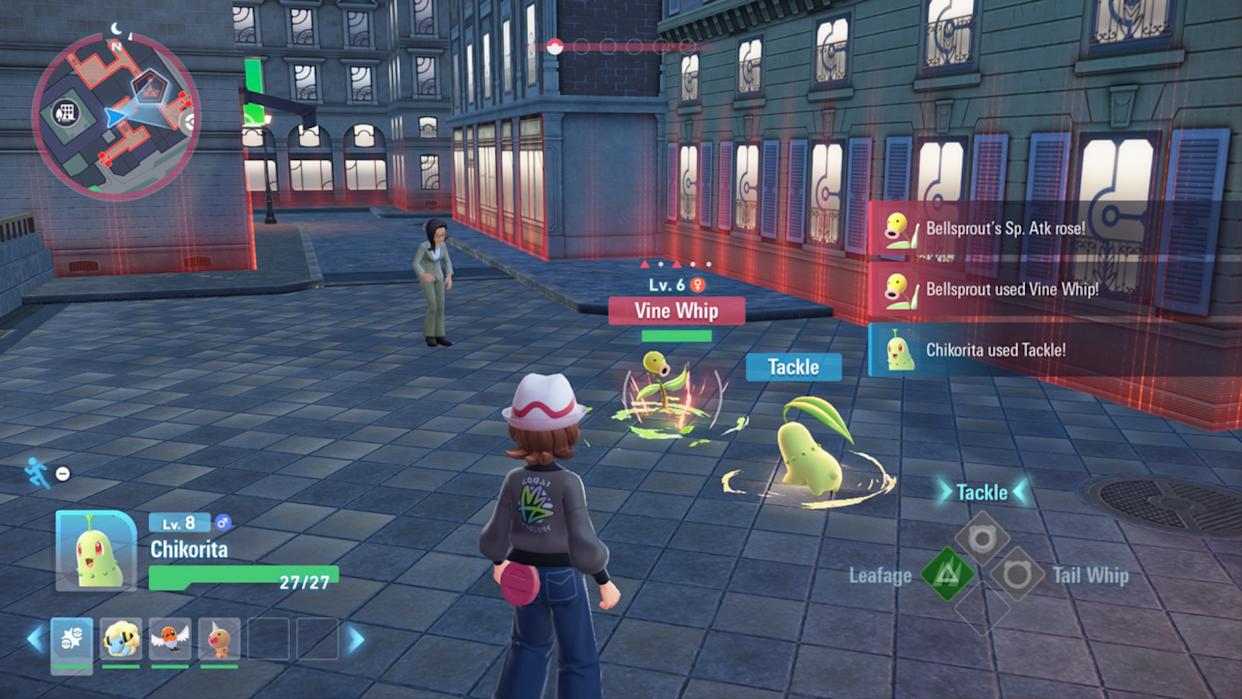
Look, I know the Pokémon series has its fair share of problems, I can acknowledge that. The series’ creators cut corners financially, and the games are not as impressive as they could be for the prices being charged for them. None of those critiques are wrong necessarilly.
However, I have also played 350 hours of Pokémon Legends Z-A in the, what, 2 months since it released, and I do not see myself stopping any time soon.
Look, I’m not going to say that Legends Z-A is on any objective measure the best or most impressive video game released this year, but I am a sucker for the Pokémon series, and my love of these games is going to outweigh much of the critique I might otherwise have.
I really enjoyed the new realtime battle system, with its small tweaks made to make combat feel largely similar to traditional turn based battles, but just a little more speedy and snappy. I also loved the density of sidequest content dotted around the map, and have had a great time with the online ranked multiplayer mode for the game.
I’m a shiny hunting fanatic in the Pokémon series, and despite a lack of specific ways to boost shiny odds in the base game, the “shiny saving” system allowing for fast travel spamming as a fast paced shiny hunting method has been really interesting to explore.
It’s not the best game of the year, but I doubt there’s many games I’ve sunk this many hours into this quickly in 2025, and that does count for something. I am very, very into it, despite any problems it has.
My “Favourite” Video Game of 2025 – Like a Dragon: Pirate Yakuza in Hawaii

I acknowledge that there’s no world where Like a Dragon: Pirate Yakuza in Hawaii is objectively the best video game released in 2025, but it’s probably the video game I personally will think of as my favourite of this year.
For anyone new to the Like a Dragon or Yakuza series, the games are typically roughly 50% serious crime drama, and 50% silly nonsense.
This newest entry for example sees you playing as Goro Majima, a member of the Yakuza who has amnesia following an accident out at sea. You’re talked into becoming captain of a pirate crew, before being found by your Yakuza buddies who want to take you back home to Japan for medical treatment, given that you seem to have sustained a major brain injury. You however ignore their requests to take you home for medical care, because you’re not finished having fun as a pirate yet.
There’s a genuinely interesting crime plot bubbling beneath the surface, but this entry in the series leans further toward the ridiculous end of the scale than perhaps any other in series history, with bonkers scenes ranging from cheesy musical numbers to collecting musical instruments haunted by the ghost of violent animal spirits that you can summon to help you in battle.
Like a Dragon: Pirate Yakuza in Hawaii at times brought me to tears, and at times had me laughing with tears of joy. It was a riot from start to finish, and is probably my favourite video game of the year, even if I don’t think I could argue to the average person that it was the quote unquote “best” game of 2025.
My Overall Game of the Year 2025… That’s Debatably a Video Game – Bridge Command

When it came time for me to crown an ultimate Game of the Year for 2025, I was always going to end up giving that award to Bridge Command. Whether or not you think it technically qualifies as a video game, it is undeniably the gaming experience that took over my life this year.
I’ve talked about Bridge Command a LOT this year, but for anyone hearing about it now for the first time, Bridge Command is sort of a mixture of immersive theatre, a video game, and a live action roleplay experience.
Taking place at a physical location in Vauxhall London, players travel 22 light years through a teleporter to the Adamas Belt, a region of space inhabited by numerous human factions, valuable resources, and unstable political and technological alliances. Players board one of two full size starship sets (each supporting crew sizes of up to 14 players at at time), select a mission type (Diplomacy, Intrigue, Exploration, and Military), and embark on a roughly 90 minute long adventure.
The experience is definitely at least partially a video game – The underlying software is a modified version of an open source bridge management video game called Empty Epsilon. Players pick a role (Comms, Radar, Helm, Beams, Missiles, Navigation, Dock and Drone, Engineer, Captain, or Shuttle Crew), and use a mixture of touch screen controls and physical props (crystals, energy tanks, fuses etc) to fly their ship, engage in combat, communicate with other vessels, and gain information on other objects in space.
Where Bridge Command begins to differ from the experience of playing Empty Epsilon, outside of the immersion element of playing on a starship set, is in the roles played by talented actors to help flesh out the improv story of each mission. There will be a member of the UCN (United Confederation Navy) available on video comms to assist with support during your mission, members of other factions who might board your ship, enemy factions who might try to hack your vessel while you’re negotiating, delegates from other groups who might accompany you, or enemies you might need to decide whether to try and recruit, capture, or destroy.
These actors do a huge amount to flesh out the reality of the world, and improve the immersion of what might otherwise feel like quite mechanical missions. Playing Empty Epsilon with a group is a fun mechanical challenge, but playing Bridge Command feels more like being transported to a real story unfolding around you.
A big part of what I think makes Bridge Command work is that there’s essentially a game master working in the background behind your mission, tweaking elements on the fly to adjust game balance for team experience levels. The experience truly is open ended, I have on a couple of occasions played repeat missions and seen them end in drastically different ways depending on the crew that I served with, or captain I served under. The fact that missions do truly have a wide range of ways they can end is impressive in isolation, but what’s more impressive to me is the ways that the staff at Bridge Command keep track of which missions you’ve completed, and how they panned out for you specifically, to incorporate into a long running narrative if you become a regular player.
Without going too much into specifics, I want to tell a little story about a series of events that to me really signify what Bridge Command excels at when it comes to telling ongoing stories.
In the summer of 2025, I took part in a five mission campaign with a group of players who called ourselves the Takanami Turtles. Our flight controller during that campaign was a staff member character called Zyzyx Furlong. Without getting too specific, we went through a lot together. After that campaign, he started wearing our crew’s patch on his uniform, whether or not we were present. That choice really helped to sell the permanence of the story we’d shared.
Later, as part of a special event mission, myself and a number of the Takanami Turtles were put on a team together. Behind the scenes, Bridge Command had decided to tell the story of Zyzyx Furlong’s death, and made the Takanami Turtles crew members who were present into a major part of that story, by selecting which ship we would serve on at which time.
I was captain of the ship for Zyzyx’s final mission.
My handling of that mission ultimately led to my being put forward for promotion to the highest player attainable rank within Bridge Command.
I ended up designing a memorial patch after Zyzyx’s death. Many of the Bridge Command crew now wear that patch on their uniforms.
That’s the kind of thing that makes Bridge Command so engaging to me. Yes, the underlying video game itself is really fun and rewarding, but it’s very much made as special as it is by the crew who go out of their way to craft these little ongoing story threads for recurring players, and allow player actions to feel like they have an impact on the permanent characters played by staff.
Also, “Campaign 2” is 10000% everything I could have personally wanted out of a Star trek inspired space adventure. It focused on my personal favourite aspect of interesting science fiction storytelling, and the emotional impact that it had on me was phenomenal. As much as I knew it was ultimately make believe storytelling, in the moment it was so easy to buy into the reality of the story. I have very genuine emotions tied up in that story that are going to stick with me for quite some time.
So yeah, my ultimate game of the year this year is debatably a video game, but there wasn’t anything I could honestly see myself putting above Bridge Command in these end of year awards.
 LauraKBuzz.com
Recent Comments